Unexpected Tulip Facts: 7 Things You Didn't Know
Posted on 18/06/2025
Unexpected Tulip Facts: 7 Things You Didn't Know
When you think of spring, one of the first flowers to come to mind is probably the tulip. Stunning in gardens and fields, these colorful blooms are celebrated worldwide. But how much do you really know about tulips? In this article, we'll unveil seven unexpected tulip facts that will surprise and delight you. Whether you're a garden enthusiast, a history buff, or just curious about tulips, these fascinating tidbits are sure to captivate.
1. Tulips Didn't Originate in the Netherlands
It's easy to associate tulips with the Netherlands, given the country's iconic tulip fields and flower festivals. But did you know that tulips are not native to Holland? The true origins of tulips can be traced all the way back to the mountainous regions of Central Asia -- particularly modern-day Kazakhstan and parts of the Tien Shan mountains.
The History of Tulip Cultivation
- Central Asian Roots: Wild tulips grew naturally in harsh, rocky terrain and were cultivated by the Ottoman Turks as early as the 10th century.
- Introduction to Europe: Tulips made their way from the Ottoman Empire to Western Europe in the 16th century, quickly captivating botanists and nobility alike.
- The Dutch Connection: Only after arriving in the Netherlands did the tulip become an international icon, thanks to the Dutch Golden Age and their booming horticultural trade.
So, the next time you admire a field of Dutch tulips, remember their journey began thousands of miles away!
2. Tulip Mania Sparked the World's First Economic Bubble
Among the most surprising tulip facts is their pivotal role in economic history. In the 17th century, a phenomenon known as Tulip Mania swept the Netherlands. Tulip bulbs became so valuable that they were traded on the Amsterdam Stock Exchange, and at the height of the craze, some rare bulbs sold for more than a luxurious house!
Understanding Tulip Mania
- A Symbol of Wealth: Owning rare tulip varieties became a sign of prestige among the Dutch elite.
- Sky-High Prices: At the peak of Tulip Mania in 1637, a single 'Semper Augustus' tulip bulb could fetch the equivalent of millions of dollars today.
- The Crash: The bubble eventually burst, leaving investors ruined. The aftermath is often cited as one of history's earliest and most striking examples of a speculative economic bubble.
This whimsical flower changed the financial world forever, making tulip trivia a lesson in both beauty and economics.
3. Over 3,000 Unique Tulip Varieties Exist
If you thought tulips only came in a handful of colors and shapes, think again! Today, there are over 3,000 registered tulip varieties known to horticulturalists worldwide, with new ones being cultivated each year.
Tulip Classifications and Types
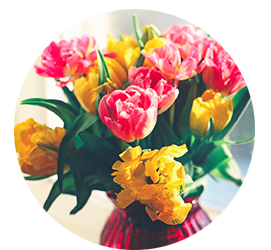
- Single Tulips: Classic cup-shaped blooms in dazzling solid colors.
- Double Tulips: Lush, peony-like petals for extra dramatic effect.
- Fringed Tulips: Delicate, fringe-edged petals create a frosted look.
- Parrot Tulips: Wild, feathery petals in vibrant, multi-colored hues.
- Viridiflora: Unique blooms with eye-catching green stripes or marbling.
Each type expresses its own character and story, making tulips some of the most diverse flowers you can grow or admire.
4. Tulips Are Edible (But Eat with Caution!)
Have you ever wondered if tulips are more than just eye candy? Surprisingly, parts of the tulip plant are actually edible! During World War II, people in the Netherlands resorted to eating cooked tulip bulbs when food shortages became severe.
The Culinary Side of Tulips
- Bulbs as Food: In extreme situations, baked or boiled tulip bulbs provided a last resort when other food sources ran out.
- Taste Test: Some say tulip bulbs taste a bit like potatoes, though with a slightly bitter edge.
- Flower Petals in Cuisine: Petals can be used as a garnish for salads or desserts, bringing a touch of spring to your plate.
Warning: Not all tulip varieties are safe to eat, as some may cause stomach upset or allergic reactions. Only consume tulips that are pesticide-free and properly identified by an expert.
5. Tulip Colors Carry Hidden Meanings
One of the most fun tulip facts is that tulip colors symbolize different meanings -- much like the language of roses. Throughout history, people have used the color of tulips to express feelings and communicate messages.
Symbolism Behind Tulip Colors
- Red Tulips: Symbolize deep love and passion.
- Yellow Tulips: Traditionally represent cheerful thoughts and sunshine, but in the Victorian era, they stood for 'hopeless love'!
- Purple Tulips: Associated with royalty and admiration.
- White Tulips: Signify forgiveness, purity, and peace.
- Multi-Colored Tulips: Often symbolize beautiful eyes or a declaration of admiration.
Choosing a tulip bouquet? Now you can select colors that speak volumes beyond their outer beauty!
6. Tulips Influenced Art, Fashion, and Culture
Did you know that tulips have inspired everything from classical paintings to high fashion runways? As one of history's most sought-after flowers, the tulip has left a remarkable mark on global culture.
Tulips in Art and Design
- Floral Paintings: The Dutch Golden Age produced masterworks featuring tulips by artists like Rembrandt and Jan Brueghel.
- Textiles and Ceramics: Intricate tulip motifs adorn Turkish tiles, Persian rugs, and Chinese porcelain.
- Modern Fashion: Designers use tulip shapes for dramatic dress silhouettes, while prints and patterns mimic the vibrant bloom's petals.
This timeless flower continues to inspire creativity, showing that tulip influence reaches far beyond the garden fence.
7. Tulips Thrive Beyond Europe -- Even in the Wild!
It might surprise you to learn that tulip populations exist far beyond manicured European landscapes. Wild tulip species grow across Asia, the Middle East, and even North Africa!
Where Else Do Tulips Naturally Grow?
- Iran and Turkey: Home to many wild ancestors of garden tulips, these countries celebrate the flower with annual festivals.
- Mountain Meadows and Steppes: Indigenous tulip species bloom in springtime across Kazakhstan, Afghanistan, and China.
- Adaptability: Unlike the tender garden tulip, wild types are hardy, thriving in rocky soils and harsh climates.
These untamed cousins add another layer to our appreciation of this beloved and surprising tulip!
Bonus Tulip Trivia: Fun Facts to Amaze Your Friends
- Fast Growers: Some tulips can actually "grow" after being cut, sometimes adding up to an inch in height!
- World Tulip Day: Celebrated in January, marking the official start of tulip season in Amsterdam.
- NASA Tested Tulips in Space: Dutch tulip bulbs have been sent aboard the Space Shuttle to study growth in zero gravity.
How to Care for Tulips -- Expert Tips
If reading these amazing tulip facts inspires you to plant your own, here are practical tips for getting the most bloom out of your bulbs.
Tulip Growing Essentials
- Choose the Right Bulbs: Pick healthy, firm bulbs for best results.
- Planting Time: Plant in fall, before the first frost, for robust spring blooms.
- Soil & Location: Ensure well-draining soil, and choose a sunny or partially shaded spot.
- Watering: Keep soil moist until bulbs sprout, then water as needed -- but don't overdo it!
- Afterflowering Care: Once blooming ends, let leaves yellow before cutting back to allow energy storage for next season.
Conclusion: The Surprising World of Tulips
Tulips may seem familiar, but peel back a few layers and you'll discover a legacy of adventure, artistry, and science. From their unexpected Asian roots to their starring role in financial lore, tulips prove they are far more than just springtime favorites. With thousands of varieties, hidden meanings, and lasting cultural impact, these blooms embody centuries of natural wonder and human fascination. The next time you spot a tulip, remember these seven unexpected facts and enjoy a newfound appreciation for this legendary flower!
Want to learn more? Bookmark this article and share these fun tulip facts with your friends, or try growing your own bulbs for a deeper connection to their incredible story!